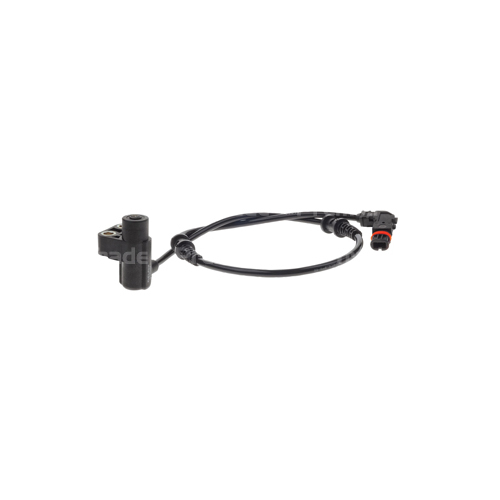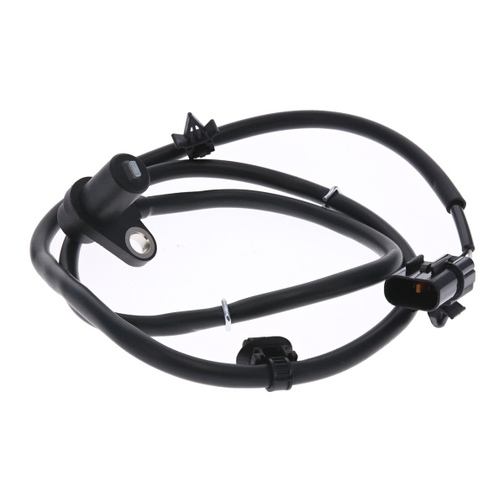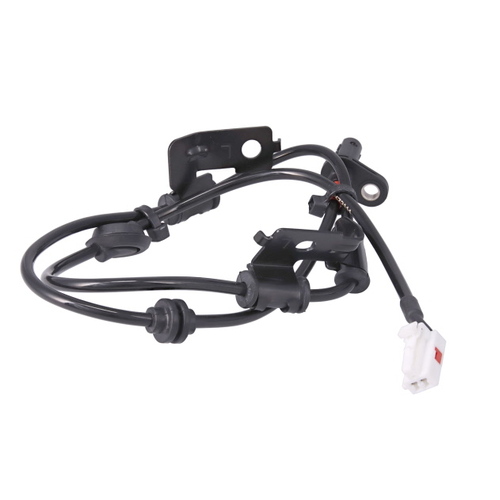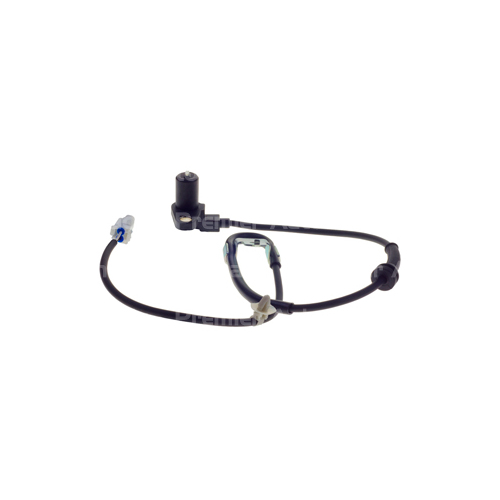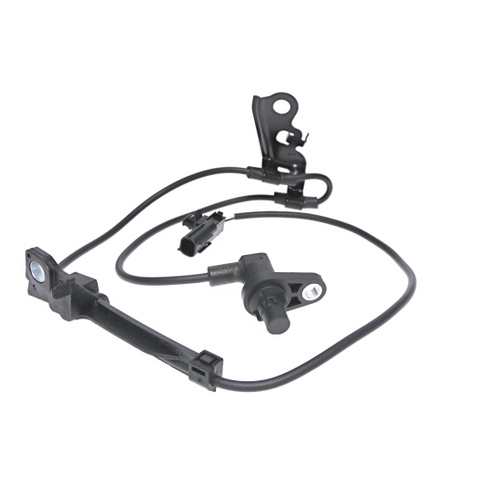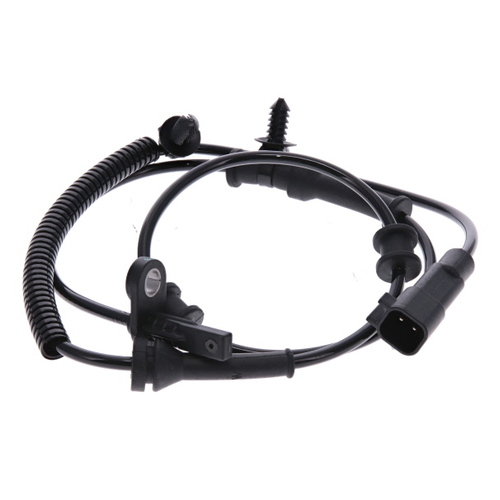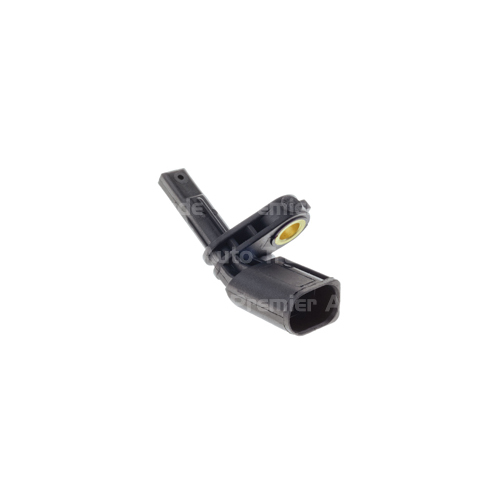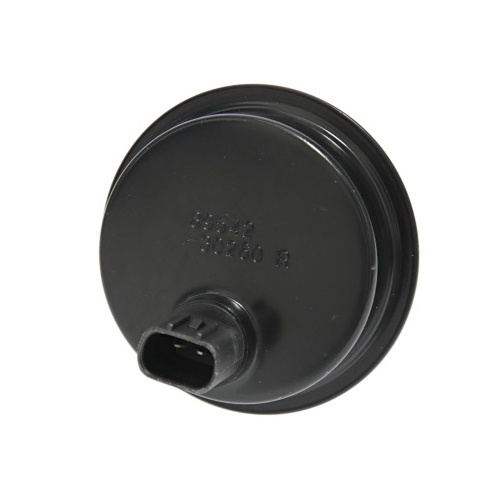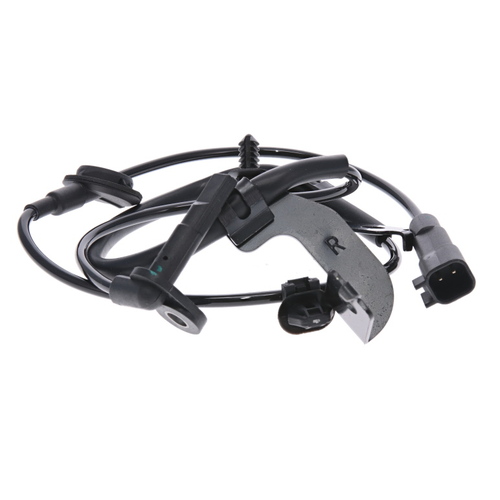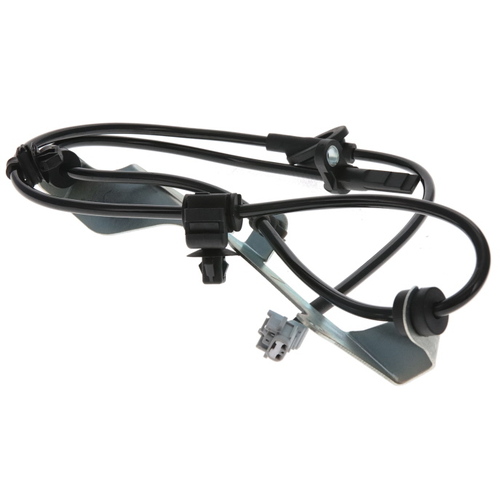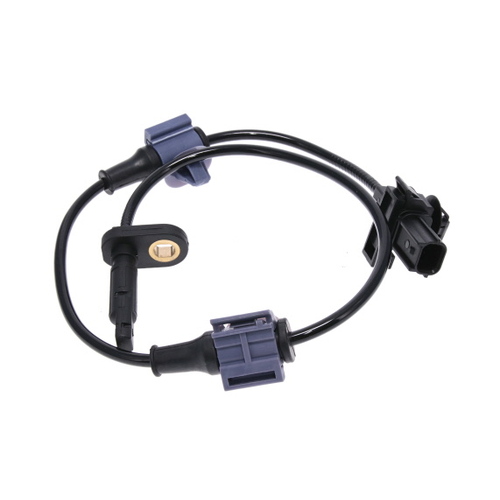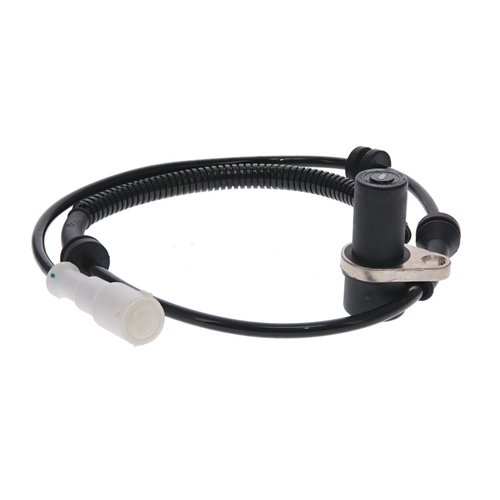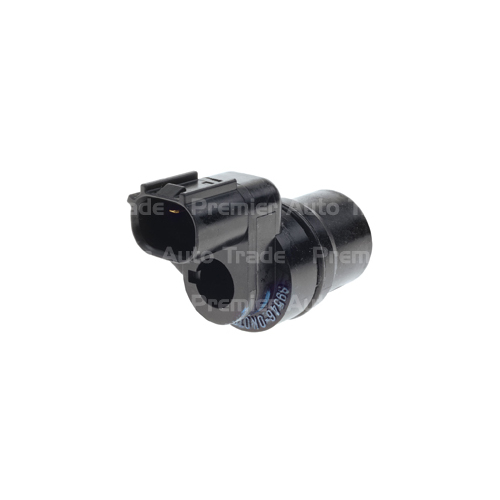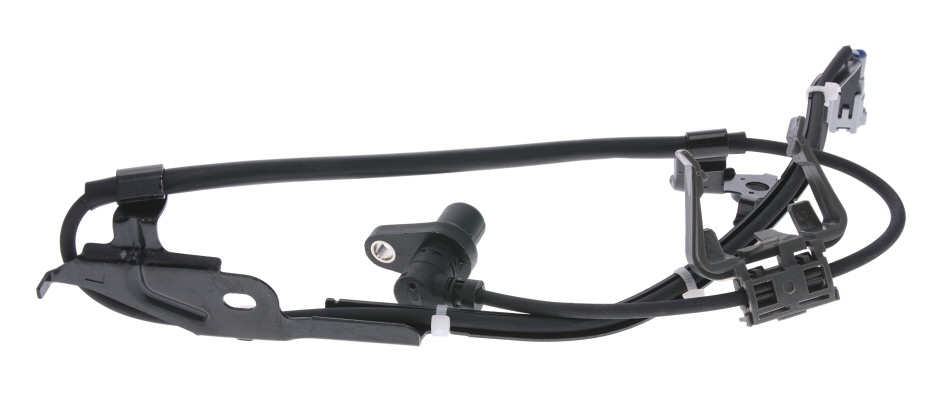
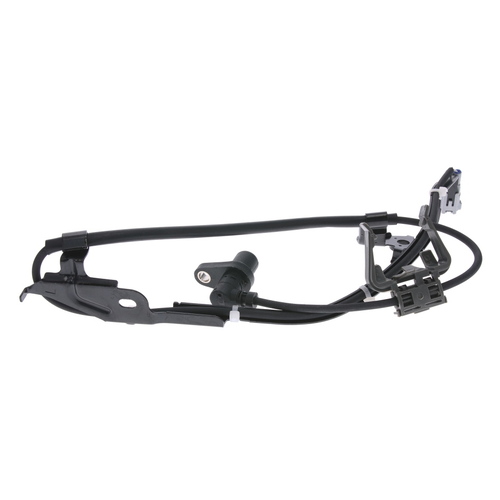
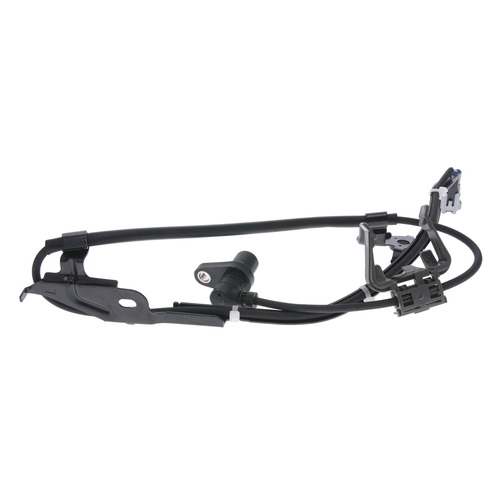
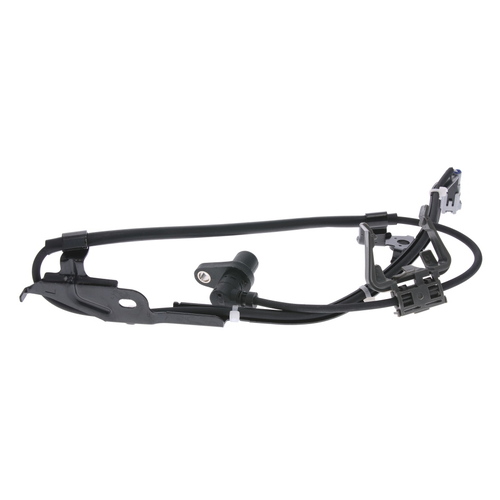
WHEEL SPEED SENSOR
SKU: WSS-449

WSS-449 PAT Wheel Speed Sensor LHF
Wheel speed sensors, originally introduced for Anti-Lock Braking Systems (ABS), are now integral to numerous modern vehicle systems. With a focus on safety and customer demand, these sensors have become essential for the operation of intelligent safety systems and other vital vehicle functions. - Advanced data transmission systems like the Controller Area Network (CAN) allow multiple control units to utilise wheel speed sensor data. - Crucial for driving safety, influencing systems such as ABS, TCS (Traction Control System), ESC (Electronic Stability Control), ADAS (Advanced Driver Assist System), and ACC (Adaptive Cruise Control). - Supports engine management, transmission control, and navigation systems. - Significantly impacts vehicle dynamics, driving comfort, safety, emissions, and fuel consumption. **Types of Wheel Speed Sensors:** **Passive/Inductive Wheel Speed Sensors:** - Inductive analogue types that do not require an external power supply. - Consist of a wire coil wound around a soft iron core, connected to a permanent magnet. - Detects the rotation of the wheel hub or drive shaft. - Effective but can become inaccurate at low speeds and are sensitive to positioning and damage during maintenance. **Active Wheel Speed Sensors:** - Digital hall sensor types with integrated electronics, requiring a power supply from the ABS module. - Two types: magneto-resistive and hall sensors. - Generate a digital signal and may have 2 or 3 terminals. - Can be triggered by opposing magnets around a multipole ring (encoder) or a toothed ring. - Encoders can be located inside the wheel bearing, on the wheel bearing, or on the wheel carrier. **Advantages of Active Sensors:** - Accurate wheel speed detection from stationary, crucial for traction control and hill descent control. - Smaller and lighter design. - Insensitivity to vibration and temperature fluctuations. - Less sensitivity to changes in air gap. - Reduced electromagnetic interference. - Ability to detect forward and reverse movement. **Symptoms of a Faulty Wheel Speed Sensor:** - Multiple warning lights displayed on the dashboard. - Wheels locking during braking. - Pulsation of the brake pedal. - Erratic or no speedometer operation. - Other seemingly unrelated system failures. **Troubleshooting and Diagnostics:** - Determine if the sensor is inductive or active. - Use a suitable diagnostic tool to read fault codes. - Inspect the wiring for damage or breaks. - Inspect the mechanical assemblies for issues. - Check the output signal using a scope or suitable diagnostic tool. - Check the supply voltage for active sensors. - Check the sensor resistance for inductive sensors. 12 Months Warranty * For correct fitment ensure the vehicle is listed in the compatibility list AND read any notes associated with the product. If there are no vehicle details listed, please send a message.| SKU | WSS-449 |
| Model # | WSS-449 |
| Barcode # | 9341554177598 |
| Brand | PAT |
| Placement On Vehicle | Front Left (FL) |
| Placement On Vehicle | LHF |
| Warranty | 12 Months |
| Position On Vehicle | Front Left (FL) |
| Position On Vehicle | LHF |
| Contains Liquid | No |
Packaging note: PAT products may be supplied in PAT Premium packaging instead of the manufacturer's original box.
PAT sources EFI and engine-management parts from established OE-type manufacturers and repackages some of them in Australia. The manufacturer inside can change between batches as supply changes — for example, a part once made by Hitachi may now come from Bosch. Every unit is an OE-type part from a recognised manufacturer.
Packaging: Manufacturers periodically update their packaging and labelling. You may receive the current or a previous design — the product, formulation and part number are unchanged.
Fitment (vehicle-specific products): For products listed to suit a specific vehicle, our fitment data is kept as accurate as possible, but vehicle catalogues are not perfect. Some models had more than one part fitted depending on build date, engine, or component size/variant. It is the buyer's responsibility to confirm the part suits their vehicle before purchasing. If you have any doubt, please message us with your vehicle's registration number and state (preferred), or full VIN/build details, and we'll do our best to confirm before you buy.